It is the third diaper change of the morning and there is a new red patch where there wasn't one yesterday — on the cheeks, in the scalp, across the bottom. You do the thing every parent does: you zoom in, you compare it to twelve photos online, and you spiral. Here is the reassuring headline before anything else: the vast majority of baby rashes are common, harmless, and easy to manage at home. Baby skin is brand new, thin, and reactive, so it breaks out, flakes, and chaps at the slightest provocation.
This guide walks through the four most common baby-skin issues — eczema, cradle cap, and diaper rash — how to tell them apart, what genuinely helps each, and the short, important list of rashes that aren't routine and need a doctor right away.
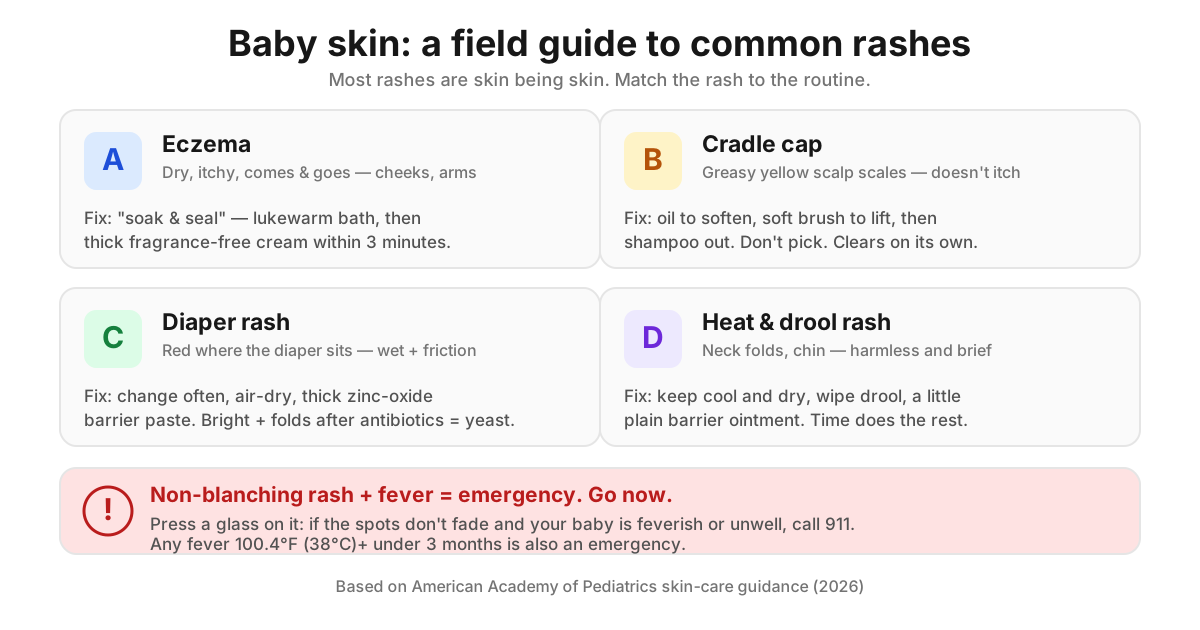
First, the calm part: most rashes are skin being skin
A newborn's skin barrier is still maturing in the first year, which is why it loses moisture fast, reacts to friction and saliva, and flushes at the smallest irritant. Drool rash on the chin, milk-spots (milia), heat rash in the neck folds on a warm day, and the blotchy newborn rash called erythema toxicum that comes and goes in the first weeks — these are all benign and usually need nothing more than time and gentleness.
The trick is matching the rash to the right routine. Three patterns account for most of what shows up: eczema (dry, itchy, recurring), cradle cap (greasy scalp scales), and diaper rash (irritation under the diaper). Each has a simple, evidence-based fix — and each is different enough that the wrong product can make it worse. Let's take them one at a time.
Eczema: the itchy, dry, comes-and-goes one
Eczema (atopic dermatitis) shows up as patches of dry, red or discolored, intensely itchy skin. In babies, it tends to favor the cheeks, scalp, and the outsides of the arms and legs; in older children it migrates to the creases — inside the elbows and behind the knees. According to the American Academy of Pediatrics, eczema runs in families alongside asthma and allergies, it is not contagious, and there's no cure — but it is very manageable, and many kids outgrow the worst of it.
The whole game with eczema is repairing the skin barrier and keeping it relentlessly moisturized. The AAP's eczema-care guidance centers on a method nicknamed "soak and seal":
- Bathe daily or every other day, for 5–10 minutes, in lukewarm water — not hot, which strips oils. Use a fragrance-free, hypoallergenic cleanser, and only on the parts that actually need it.
- Pat (don't rub) almost dry, apply any prescribed medicine, then seal in the moisture within about three minutes while the skin is still damp.
- Use a thick, creamy moisturizer or a plain ointment. The creamier the better: fragrance-free creams or petroleum jelly outperform thin lotions, which contain more water and evaporate. Slather it on the whole body, not just the patches, and reapply through the day.
- Hunt down triggers. Common culprits are heat, sweat, dry winter air, fragrances and dyes, dust mites, pet dander, pollen, and rough fabrics like wool. Dress your baby in soft cotton and keep them from overheating.
For flares that the moisturizing routine can't calm, your pediatrician may prescribe a topical steroid cream, typically used twice a day on the flaring spots while it's active. Used as directed, these are safe and effective — the bigger risk is under-treating a flare and letting the itch-scratch cycle run. The most important thing you can do is break the itch, because scratching damages the skin and opens the door to infection.
Speaking of which: watch for signs the eczema has gotten infected — oozing, honey-colored or yellow crusting, pus bumps, blisters, or a patch that suddenly looks worse and angrier. That needs a pediatrician, because infected eczema usually needs treatment beyond moisturizer.
Cradle cap: the greasy scalp scales that look worse than they are
If your baby's scalp is covered in greasy, yellow or white, flaky scales — sometimes thick and crusty, sometimes spreading to the eyebrows, behind the ears, or the neck folds — that's almost certainly cradle cap, a form of seborrheic dermatitis. Per the AAP, it's extremely common, showing up between about three weeks and a few months old, and the cause isn't fully known (likely a mix of leftover maternal hormones revving up the oil glands, plus a harmless skin yeast).
Here's the part that should lower your blood pressure: cradle cap is not caused by poor hygiene, it's not an allergy or infection, it doesn't itch, and it doesn't bother your baby at all. It looks alarming and feels like something you should be fixing urgently. It isn't. Most cases clear on their own within weeks to months.
If you want to help it along:
- Wash the hair more often — every other day is enough for most babies — with a gentle baby shampoo.
- Soften the scales first. Massage a little mineral oil, coconut oil, or petroleum jelly into the scalp and let it sit (even overnight) to loosen the crust.
- Gently lift the scales with a soft brush or a soft-bristled toothbrush, then shampoo the oil out so it doesn't build up.
- Don't pick. Scraping at stuck-on scales can break the skin and invite infection.
Call your pediatrician if the rash spreads widely beyond the scalp, looks red and inflamed, oozes or develops pus bumps, smells off, or seems to make your baby uncomfortable — that can mean it's more than ordinary cradle cap and may need a medicated shampoo or cream.
Diaper rash: the irritation that lives where the diaper does
Almost every baby gets diaper rash at some point. The most common type, per the AAP, is irritant dermatitis — plain pink-to-red patches on the skin the diaper touches, caused by the one-two punch of wetness, friction, and the irritants in pee and poop sitting against delicate skin. It's basically a chemical-and-moisture burn, and it responds to the basics:
- Change diapers often — the less time skin spends against a wet or soiled diaper, the better.
- Clean gently. Use water or a fragrance- and alcohol-free wipe, and pat rather than scrub.
- Let the skin air-dry, and give a little diaper-free time each day so the area can breathe.
- Barrier, barrier, barrier. Coat the skin in a thick layer of zinc-oxide or petrolatum paste at each change to put a wall between skin and moisture. Apply it like frosting, not lotion.
A couple of patterns are worth recognizing. A yeast (candida) diaper rash looks different: bright or shiny red with sharp, defined edges and small "satellite" spots, often tucked deep in the skin folds, and it loves to appear after a course of antibiotics. Yeast needs an antifungal cream, so flag it for your pediatrician rather than just piling on more barrier paste. Rarely, a rash with yellow crusting or bright weepy patches can be a bacterial infection that needs treatment.
Call your pediatrician about diaper rash if it doesn't improve in 2–3 days of good barrier care, has blisters, pus-filled sores, or open weepy areas, looks like it might be yeast, comes with a fever, or seems genuinely painful.
The rashes that actually mean "go now"
This is the short section to read twice. Almost no baby rash is an emergency — but a few are, and they're worth knowing cold.
The single most important red flag is a rash that does not fade when you press on it. Do the glass test: press the side of a clear drinking glass firmly against the rash. A normal rash blanches — it pales under pressure. A non-blanching rash stays visible: tiny purple-red pinprick spots (petechiae) or larger blotches (purpura) that don't disappear when you press. A non-blanching rash — especially with a fever, a baby who's hard to wake, who's breathing fast, or who just looks very unwell — is a medical emergency. Call 911 or go to the emergency room now. It can be a sign of a serious bloodstream infection like meningococcal disease, where minutes matter and you do not wait to "see how it looks in the morning."
Get urgent care, too, for:
- Hives that spread rapidly with any swelling of the face, lips, or tongue, trouble breathing, vomiting, or floppiness — that's a possible severe allergic reaction (anaphylaxis). Use epinephrine if it's been prescribed and call 911.
- Any fever of 100.4°F (38°C) or higher in a baby under 3 months, with or without a rash — that's always an emergency at that age. Our guide to newborn fever and when to worry walks through the age-by-age rules.
- A widespread blistering rash, or a rash with a high fever and a very sick-looking baby.
If you're ever standing over the crib unsure whether a rash is the "go now" kind, err on the side of calling. That's not overreacting — that's exactly the call pediatric triage lines exist to take.
Putting it together
Most of baby-skin life is unglamorous maintenance, and the right product matters: moisturize relentlessly for eczema, oil-and-brush gently for cradle cap, barrier-cream-and-air for diaper rash. Keeping a quick note of when a rash showed up, what it looked like, and what you tried makes the pattern far easier to describe at the next visit — you can jot it (a quick photo and a date) in your TinyWins journal so you're not relying on a sleep-deprived memory at the pediatrician's office. The same calm-but-attentive approach applies to the rest of the first-year skin and care basics, much like our teething timeline and relief guide.
And keep the one true emergency front of mind: a rash that doesn't blanch, plus a fever or a sick baby, means the ER — now. Everything else is almost always skin being skin.
This article is educational and not medical advice. Always check with your pediatrician/provider.