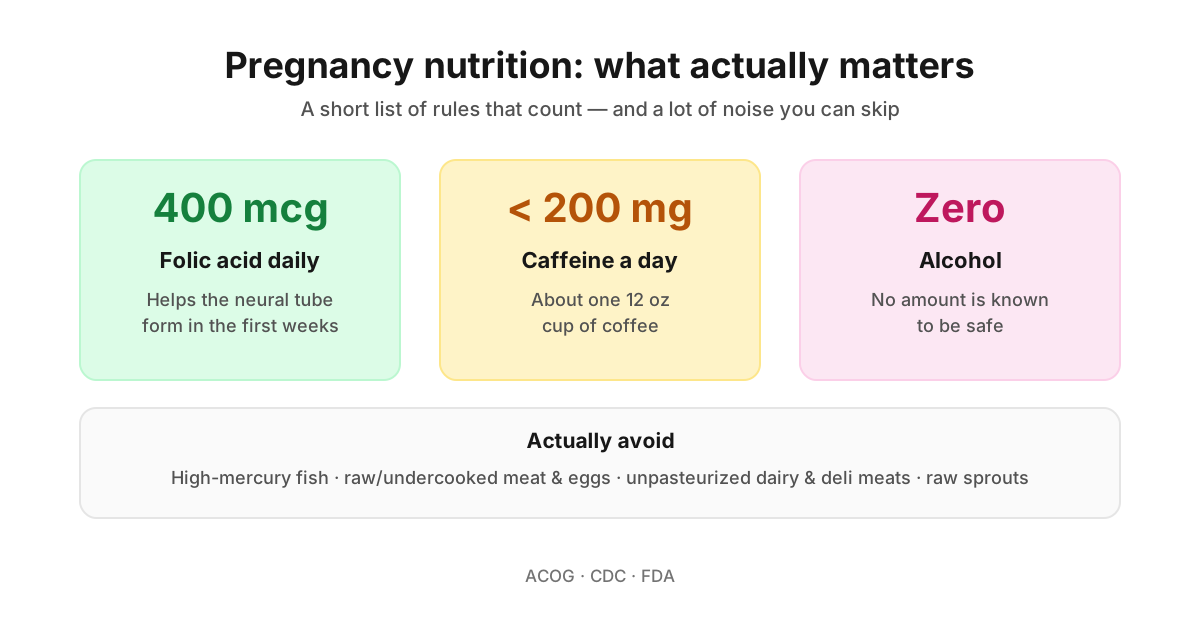
Pregnancy nutrition advice has a noise problem. Somewhere between "eat this superfood daily" and a forwarded list of 47 forbidden items, the actually-important stuff — which is a short list — gets buried.
Here's the evidence-backed core: the few things worth real attention, the genuine "avoid" list, and the popular worries you can let go of.
The non-negotiables (a short list)
1. Folic acid: 400 micrograms, ideally before conception
This is the single highest-value habit in pregnancy nutrition. 400 mcg of folic acid daily, started at least a month before conception and continued through early pregnancy, sharply reduces the risk of neural tube defects like spina bifida — the CDC's folic acid guidance is unambiguous. The neural tube closes in the first four weeks, often before a positive test, which is why "start when you find out" is too late by design and most prenatal vitamins have you covered from day one. (Some people need higher doses — your provider will say so.)
2. A handful of nutrients that do the heavy lifting
Per ACOG's nutrition guidance, the key players beyond folic acid are:
- Iron (27 mg/day): blood volume expands dramatically; iron-deficiency anemia is the most common nutritional shortfall in pregnancy.
- Calcium (1,000 mg/day) and vitamin D (600 IU/day): for fetal bones — and yours.
- Iodine and choline: quietly critical for brain development; choline is missing from many prenatals, so eggs and meat help.
- Omega-3 DHA: supports fetal brain and eye development — best obtained from low-mercury fish (next section).
A standard prenatal vitamin plus a reasonably varied diet covers most of this. You do not need a perfect diet — you need a decent average.
One special case: if you eat vegetarian or vegan, pregnancy is very doable — just flag it to your provider so they can keep an eye on vitamin B12, iron, and omega-3s, which are harder to get from plants alone. An algae-based DHA supplement and a B12-containing prenatal usually close the gap.
3. Fish: eat it, but choose wisely
Fish is one of pregnancy's most misunderstood foods — the goal is more of the right fish, not none. The FDA's fish advice recommends 2–3 servings (8–12 oz) per week of low-mercury fish — salmon, sardines, cod, tilapia, shrimp, canned light tuna — and avoiding only the high-mercury few: shark, swordfish, king mackerel, tilefish, bigeye tuna, marlin, and orange roughy.
The real "avoid" list (shorter than the internet's)
Alcohol: none is the guideline
There is no known safe amount, type, or trimester for alcohol in pregnancy — the position of ACOG and the CDC alike, because alcohol exposure is a leading preventable cause of birth defects and developmental disabilities. If you drank before you knew you were pregnant, don't panic — stopping now is what matters; mention it to your provider and move forward.
Caffeine: under 200 mg a day
You don't have to quit coffee. ACOG's guidance is that moderate caffeine — under 200 mg daily — is not associated with miscarriage or preterm birth. That's roughly one 12-oz brewed coffee. Tea (~50 mg/cup), cola, energy drinks, and chocolate count toward the budget.
Foodborne-illness foods
Pregnancy suppresses parts of the immune system, and Listeria in particular is far more dangerous in pregnancy. Per the CDC's listeria prevention guidance and the NHS foods-to-avoid list:
- Raw or undercooked meat, fish, shellfish, and eggs (sorry, sushi with raw fish and runny unpasteurized-egg desserts)
- Unpasteurized milk, juice, and soft cheeses made from raw milk (brie, camembert, queso fresco — pasteurized versions are fine)
- Deli meats, hot dogs, and refrigerated smoked fish — unless heated until steaming hot
- Raw sprouts and unwashed produce
- Liver and liver products (excess vitamin A)
That's the genuine list. Notice what's not on it: cooked sushi rolls, pasteurized soft cheese, properly cooked eggs, one daily coffee, and most everything else you've been side-eyeing.
Weight gain: ranges, not report cards
"Eating for two" is the most persistent myth in pregnancy. Actual extra energy needs are roughly zero in the first trimester, ~340 extra calories/day in the second, and ~450 in the third — a sandwich, not a second dinner, per ACOG.
Recommended total gain depends on pre-pregnancy BMI, per ACOG's weight-gain guidance:
| Pre-pregnancy BMI | Suggested gain (single baby) |
|---|---|
| Underweight (<18.5) | 28–40 lb |
| Normal (18.5–24.9) | 25–35 lb |
| Overweight (25–29.9) | 15–25 lb |
| Obesity (≥30) | 11–20 lb |
These are ranges, not grades — and they're individualized in real care. Gaining outside the range is a conversation with your provider, not a verdict on you.
What you can stop worrying about
- The occasional fast-food meal or dessert. The target is a good average, not purity.
- Spicy food, normal exercise, and (in normal pregnancies) sex — none are nutrition issues, all generally fine.
- Nausea ruining the first trimester's nutrition. If you survived weeks 6–12 on crackers and lemonade: the baby draws on stores, the prenatal covers gaps, and appetite usually returns. Persistent inability to keep food or fluids down is worth a call — that's treatable.
- Cravings as secret messages. Craving ice cream is not a calcium deficiency announcement. (Craving non-food items like clay or ice — pica — is the exception worth reporting.)
It can help to keep things simple: a prenatal vitamin each morning, fish twice a week, and a rough eye on the short avoid-list. Many parents-to-be log symptoms, questions for appointments, and weekly progress in their TinyWins journal — the app's pregnancy track starts right here and follows you through those first newborn nights.
The bottom line
Take folic acid early, keep caffeine moderate, skip alcohol and the foodborne-risk foods, eat low-mercury fish a couple of times a week, and aim for the weight-gain range your provider sets. Everything else is fine-tuning. Once your baby arrives, the feeding adventure continues — see starting solids: when and how for the next chapter, and the ABCs of safe sleep for the first nights home.
This article is educational and not medical advice. Always check with your pediatrician/provider.